From Havana to the United States
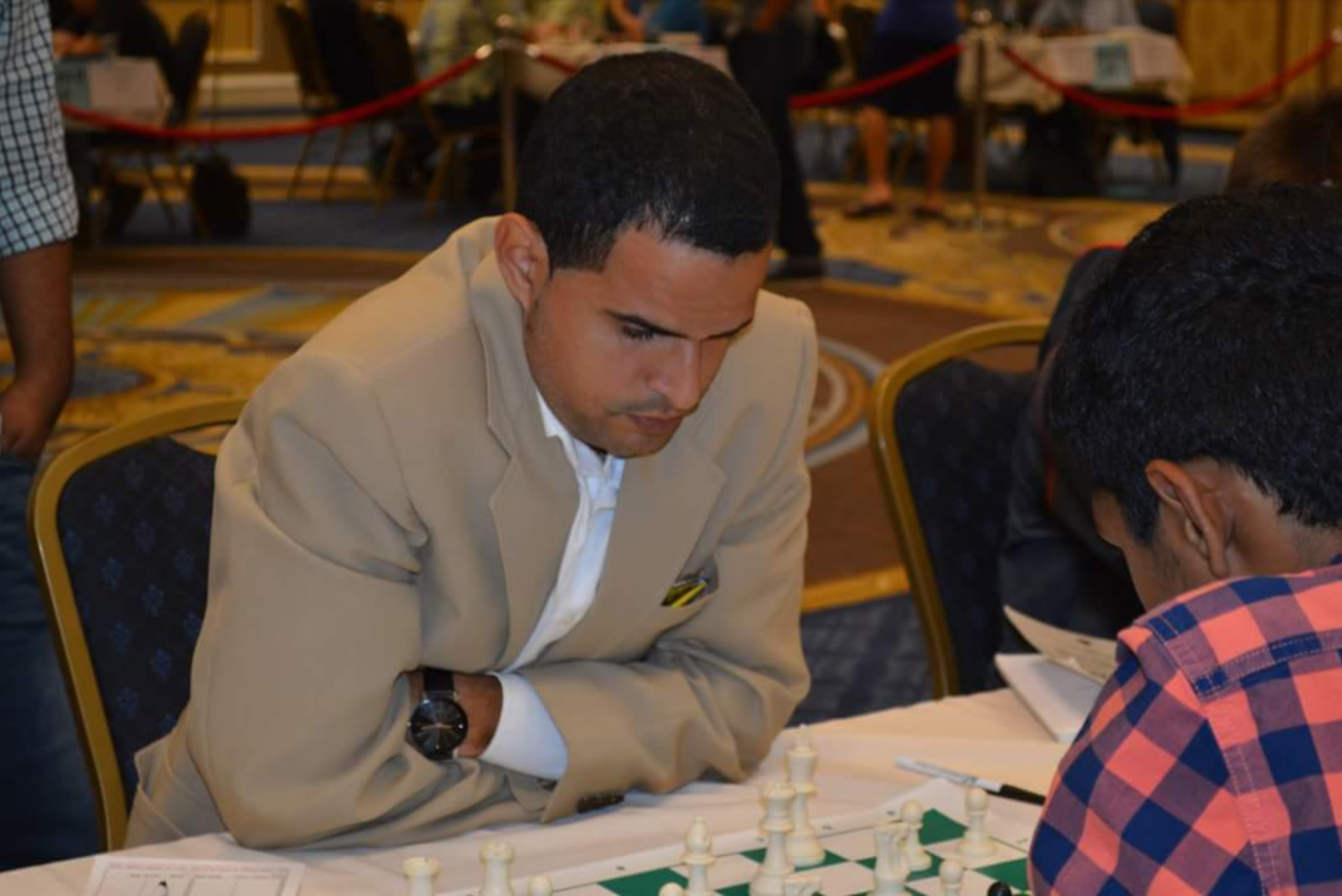
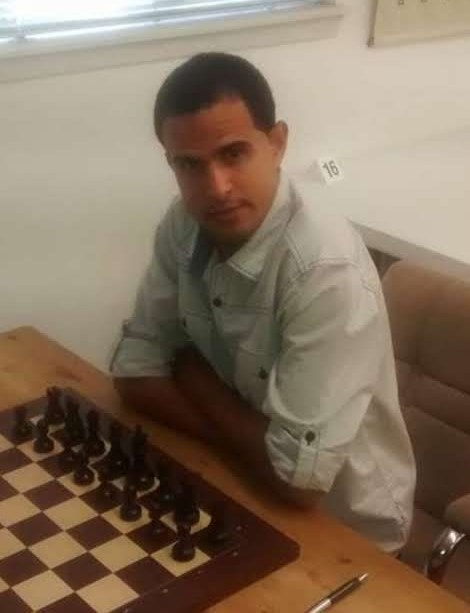
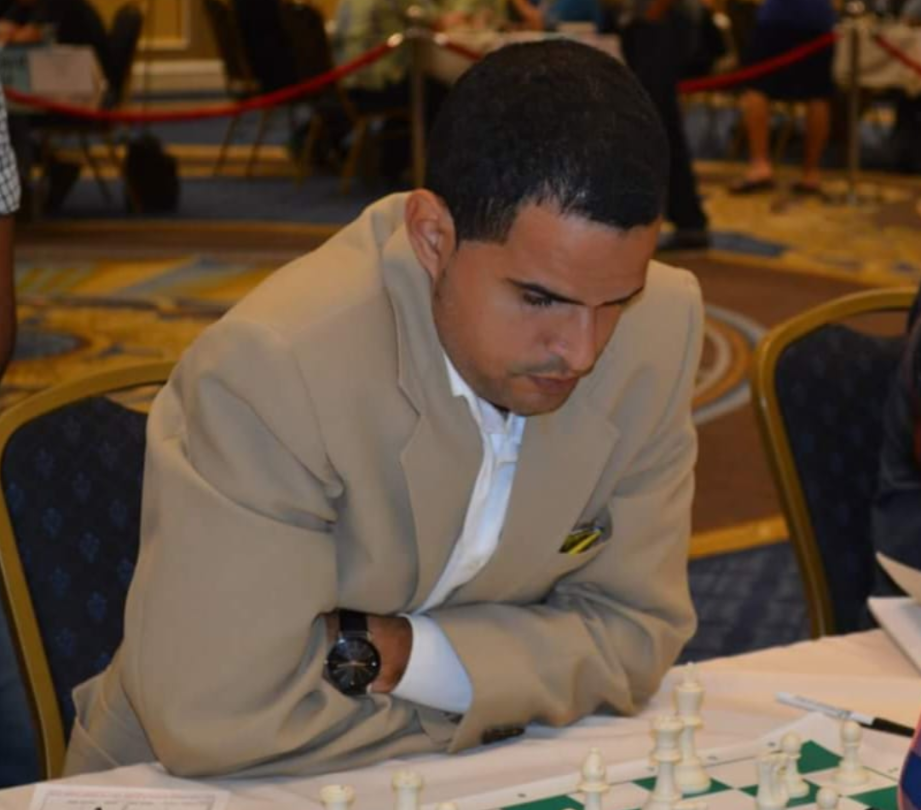
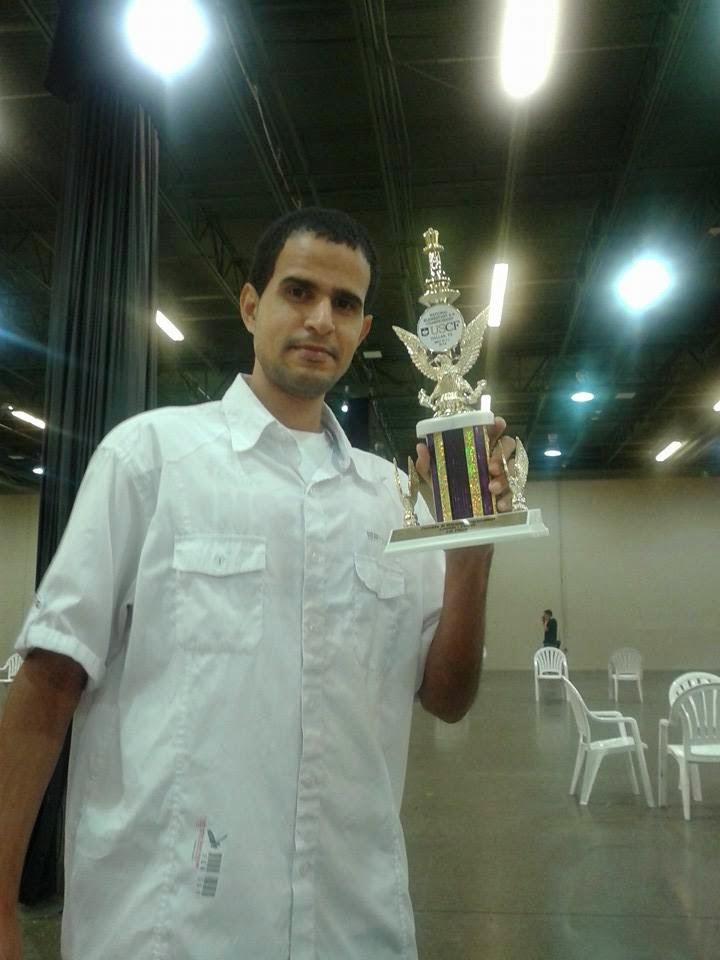
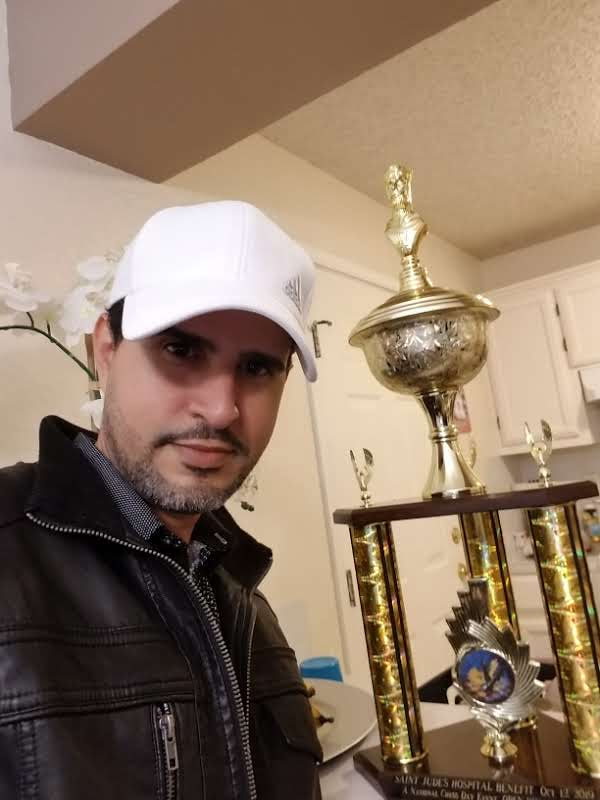
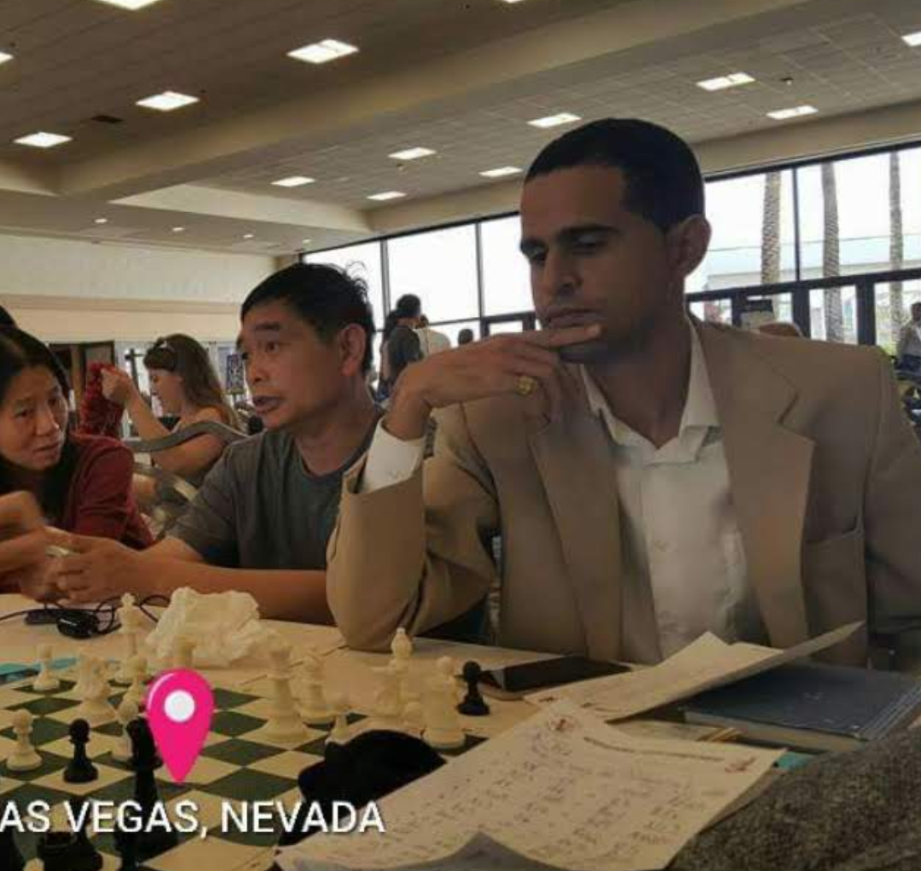
A FIDE Master since 2009, Eduardo has competed in strong open tournaments including the Chicago Open, the Philadelphia Open and the Las Vegas Open. He trains each student according to level and age, with experience across every phase of the game — tactics, strategy, openings, middlegame and endgames — and psychological methods for reading an opponent's thinking and style. Extensive game analysis and the study of how masters think in each position lead to what the lessons are really about: how to think and play chess correctly.
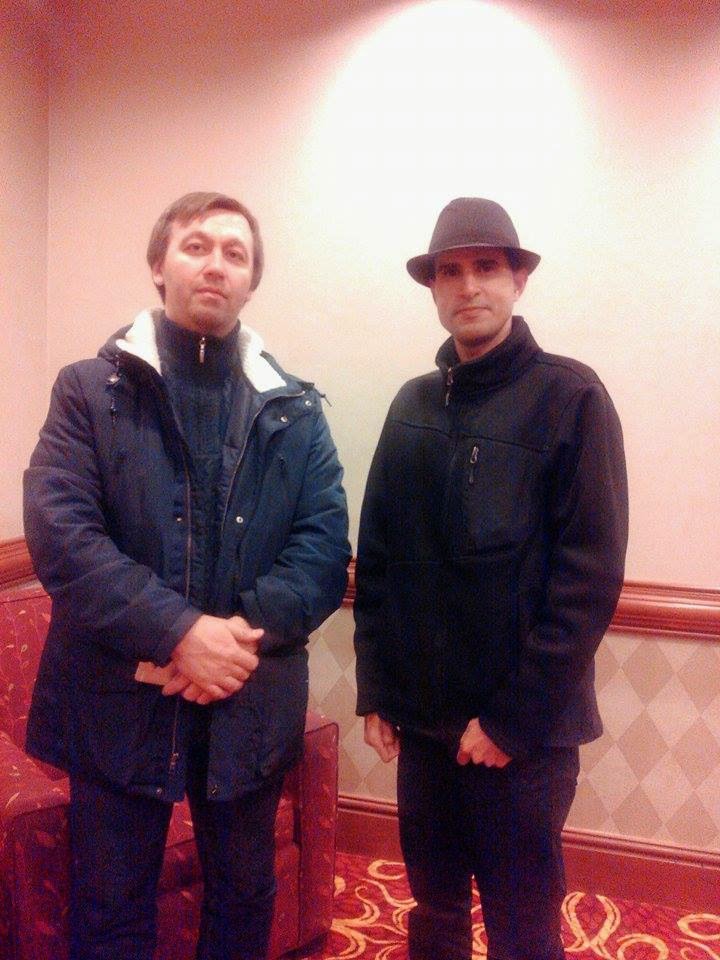
Born in Havana, Eduardo started moving the pieces as a small child, watching his father and uncle play. He began competing officially at eleven, when a friend took him to the Valdés Rodríguez school and he beat the strongest player there, Omar Almeida, today a Cuban grandmaster and a lifelong friend.
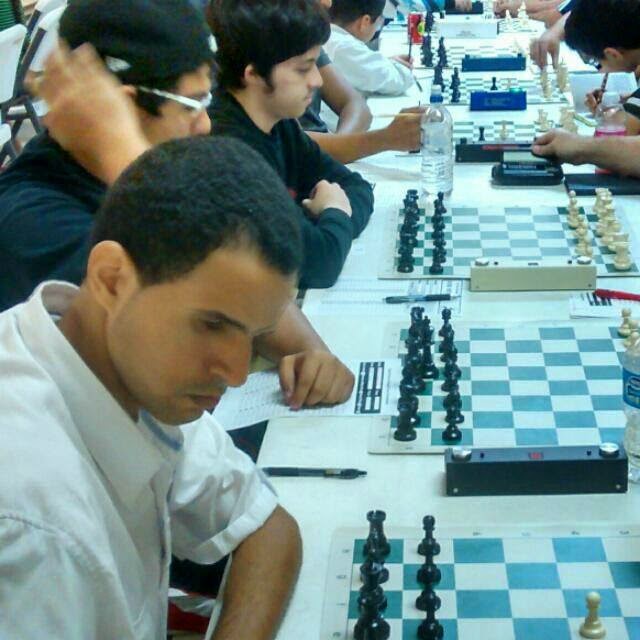
At a national cup in Aguada de Pasajeros he fought for the top places with Leinier Domínguez, who won; Almeida finished second and Eduardo third. He has beaten grandmasters and international masters, and among his best results counts playing the western stage of the Cuban championship.
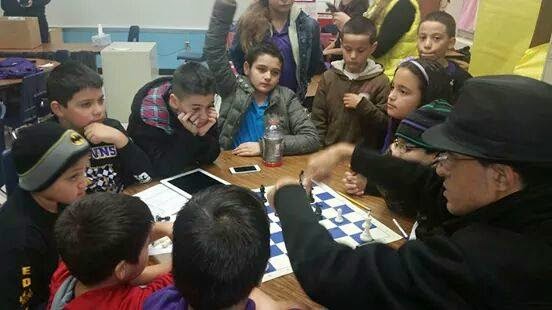
Eduardo arrived in the United States in April 2014 and began teaching that September, in two Texas schools and privately. His students' ratings and the quality of their games have climbed steadily since. Among the talents he has helped are Thalía Cervantes, a rising champion in the United States, and Deborah Alegría, today a Woman FIDE Master.
He has played tournaments in Las Vegas, Dallas and Houston, and was invited to the University of Texas at Brownsville event, with IM and GM norms, run by grandmaster Bartlomiej Macieja. In Dallas he met Alexander Onischuk and Gata Kamsky, and played in the same section as Kamsky, which he counts among his proudest moments.
Some of the details in this section come from an interview by Nibaldo Calvo Buides, March 2015.
No quiero perder la cubanía y sencillez que nos caracterizan.Read the full interview on nibaldocalvo.com
Approach and methodology
Personalized training
Every plan is built around your own games, your rating and the time you can commit.
Micro and macro cycles
Weekly work inside a longer arc, so progress compounds instead of scattering.
Openings, middlegame, endgames
A full repertoire, studied in the order that fits your level rather than a fixed syllabus.
Tactics and strategy
Pattern work and planning, trained with engine support and structured exercises.
Game analysis
Your own games reviewed move by move, turned into the material for the next lesson.
Tournament preparation
Opponent preparation, opening choices and pacing for the events on your calendar.
In person or online
Single lessons or a package. Every lesson runs one hour. The longer packages bring the price per lesson down and let the training plan run over a full cycle.
Start with a first lesson
Lessons for children and adults, all levels. Send a few details and you will get a plan back.
Frequently asked questions
+ Are the lessons in person or online?
Both. In-person lessons are given in the Miami area, and online lessons work from anywhere. Every lesson lasts one hour.
+ What language are the lessons taught in?
English or Spanish, whichever the student prefers.
+ Are the lessons suitable for beginners and children?
Yes. Children and adults at any level, from someone who has never played to rated tournament players.
+ Is there a minimum age to start?
No. What matters is the child's interest and attention, not the age on paper.
+ What does a lesson cover?
Among many important things, a lesson can include analysis of your own games, tactics and exercises, openings chosen for your style, middlegame plans, endgames, how masters think in each position, the psychology of reading an opponent, clock management, and work to do between lessons.
+ How is the teaching method built?
Around the level and age of each student. The work covers every phase of the game — tactics, strategy, openings, middlegame and endgames — and goes into how masters think in each position, so the student learns how to think and play chess correctly rather than memorise.
+ Are my own games analysed?
Yes. Your own games are a very important part of the training: they show what needs work and make the lessons concrete.
+ Do you prepare students for tournaments?
Yes. Students who compete get preparation aimed at the event they are playing.
+ How long is each lesson, and how often?
Each lesson is one hour, and two lessons can be taken back to back for a two-hour session. The frequency is set with each student, according to their goals and their time.
+ What platform is used for online lessons?
Different platforms can be used, whichever suits the student and the lesson.
+ Are there group lessons or only individual ones?
Both. Lessons are usually individual, and group lessons are available on request.
+ What results have students had?
Among the talents Eduardo has helped are Thalía Cervantes, a rising champion in the United States, and Deborah Alegría, today a Woman FIDE Master.